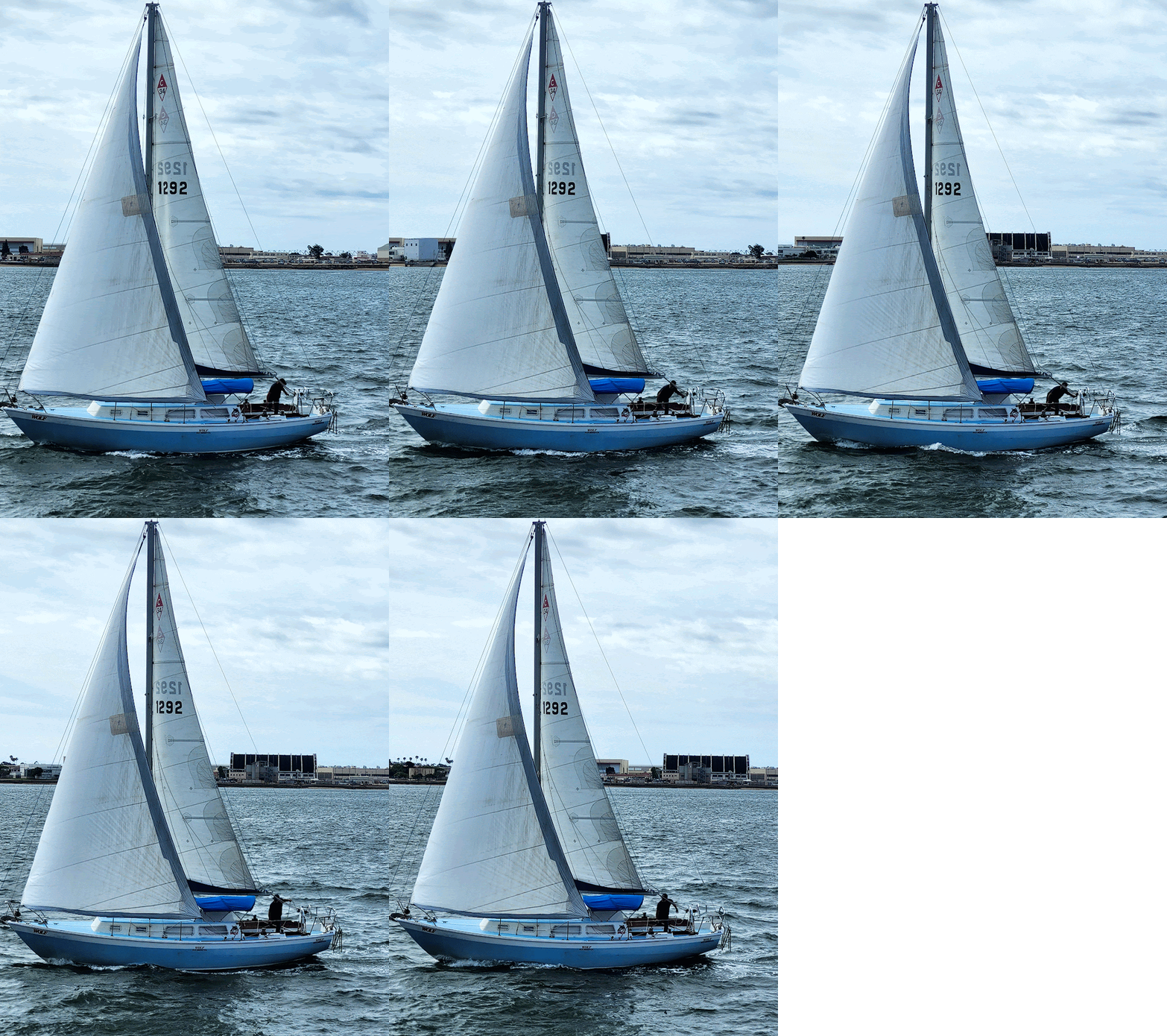
Wind Sailing the unpredictable Power
Wind sailing, or traditional sailing, uses the wind to propel a boat across the water. By adjusting the sails and the angle of the boat, sailors harness lift—similar to an airplane wing—to move forward, even at angles directly against the wind
Feeling the power of our planet.
The Physics of SailingSailing against the wind relies on the interplay between the sail and the boat's keel or centerboard. As wind flows over the sail, it creates low pressure (lift) that pulls the boat forward and to the side. The underwater keel resists this sideways movement, converting the wind's lateral force into forward motion.
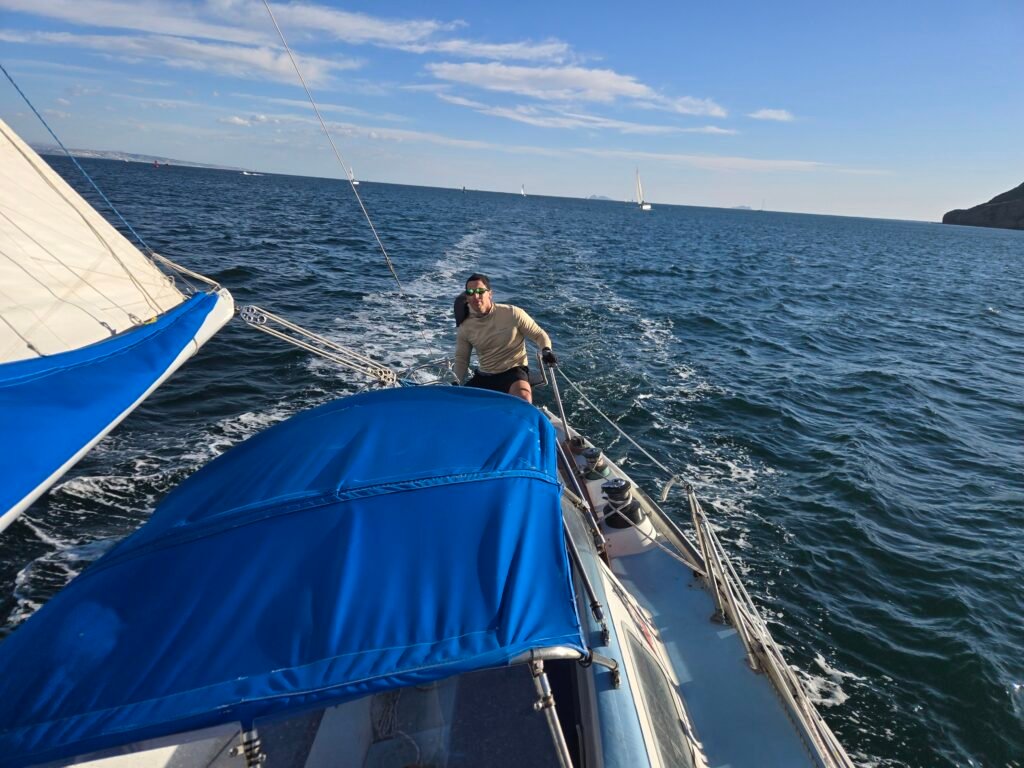
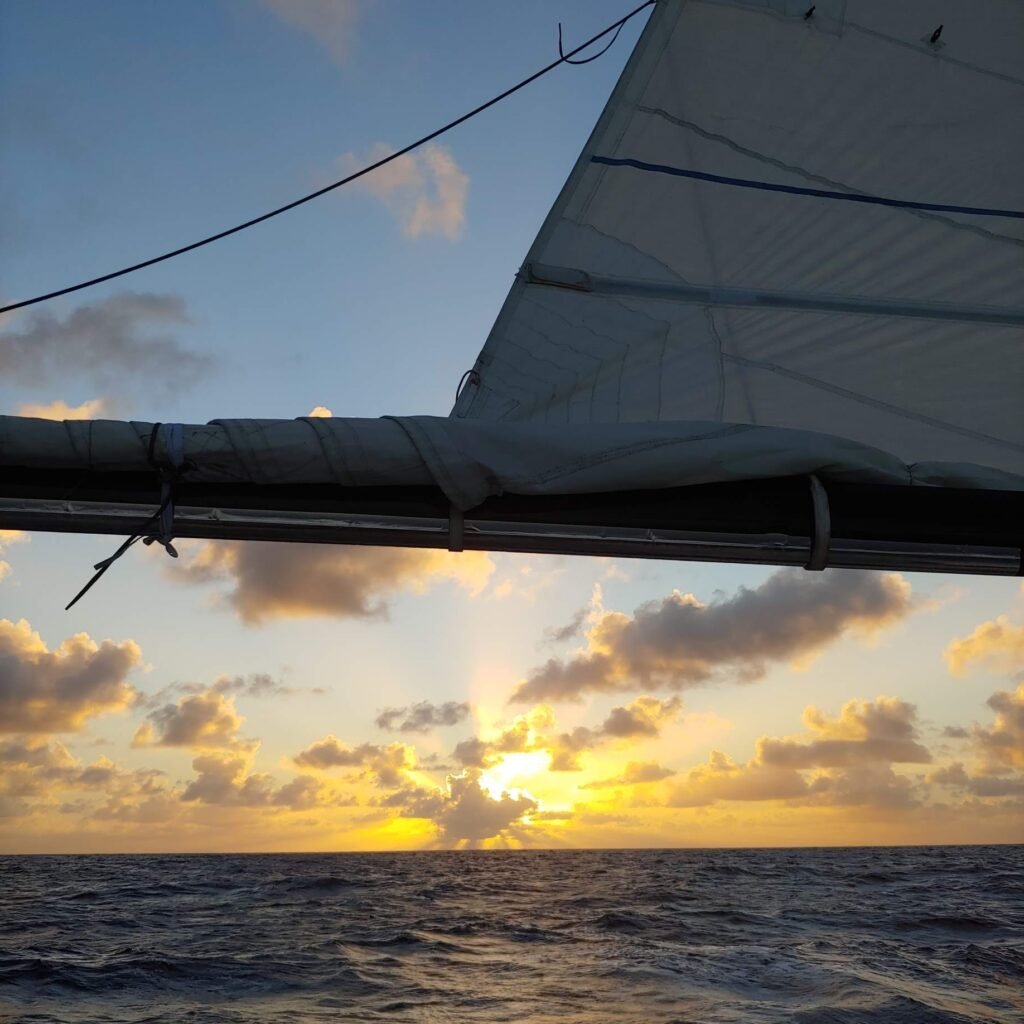
Wind Sailing Natural Power
Points of Sail A boat's heading relative to the wind dictates how its sails are set: Into the wind (Close-hauled): The boat cannot sail directly into the wind (a dead zone of about 45 degrees). To move upwind, boats must "tack," or zigzag at an angle to the wind.Across the wind (Reaching): This is the fastest and most efficient point of sail, where the wind hits the side of the boat. With the wind (Running): The wind is directly behind the boat, pushing the sails to maximize drag
A Diesel Engine designed for marina manovers and a slow push when the wind Has backed down.
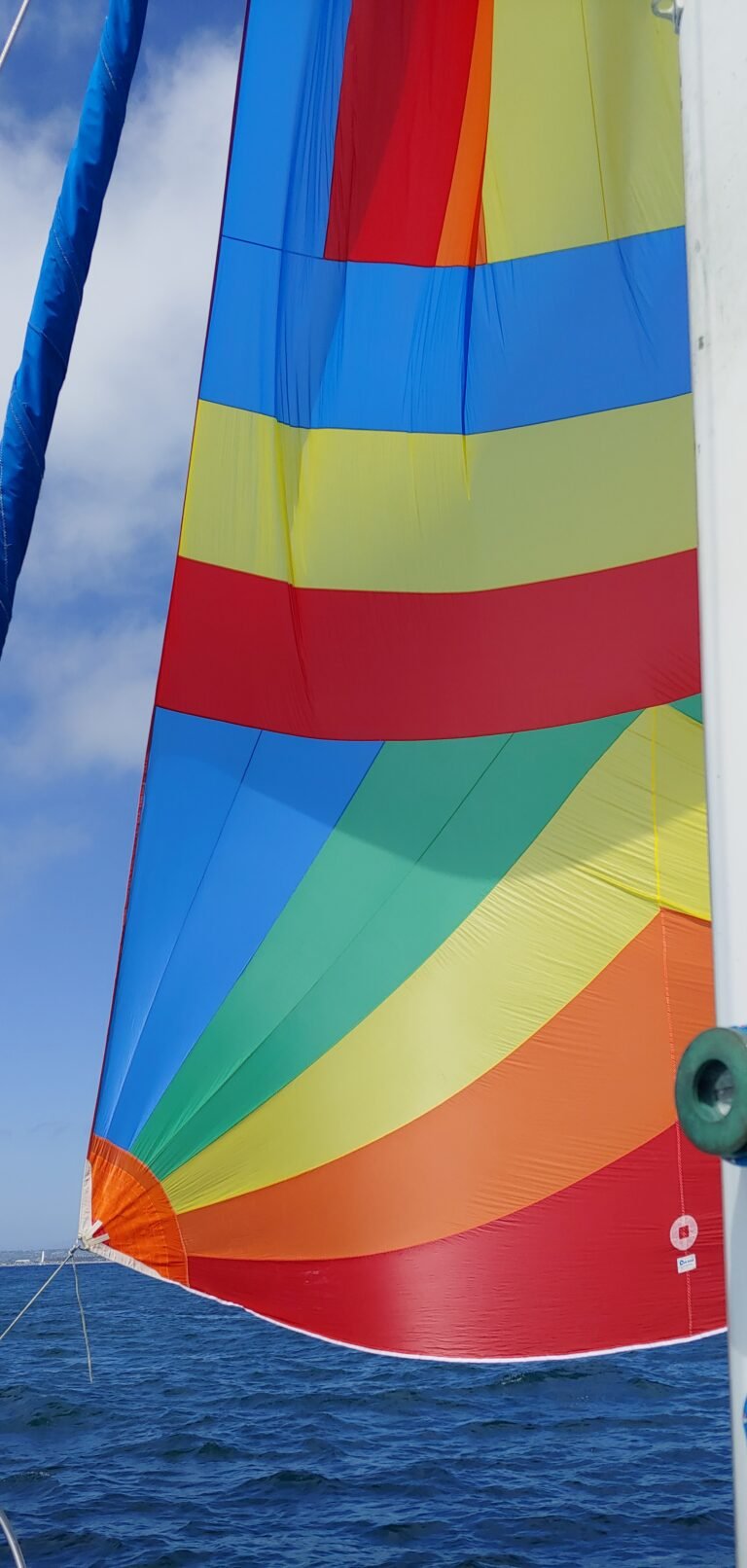
A spinnaker harnesses both lift and drag to propel the boat downwind. Drag acts as a direct push from behind, while the spinnaker's airfoil shape generates lift, pulling the boat forward and to the side. Working together, these forces create maximum downwind speed.